How Should You Organize A Walk In Closet For Fine Garments And Accessories?
A practical approach to zoning, protecting, and displaying a considered wardrobe so it stays a pleasure to use.
Organize a walk-in closet by zoning storage to how you actually dress, keeping everyday pieces within easy reach and occasion wear further away. Protect fine garments with shaped hangers, breathable storage, and lined drawers, and display accessories with curated restraint. Leave a little empty space and use adjustable elements so the wardrobe stays effortless and adapts over time.
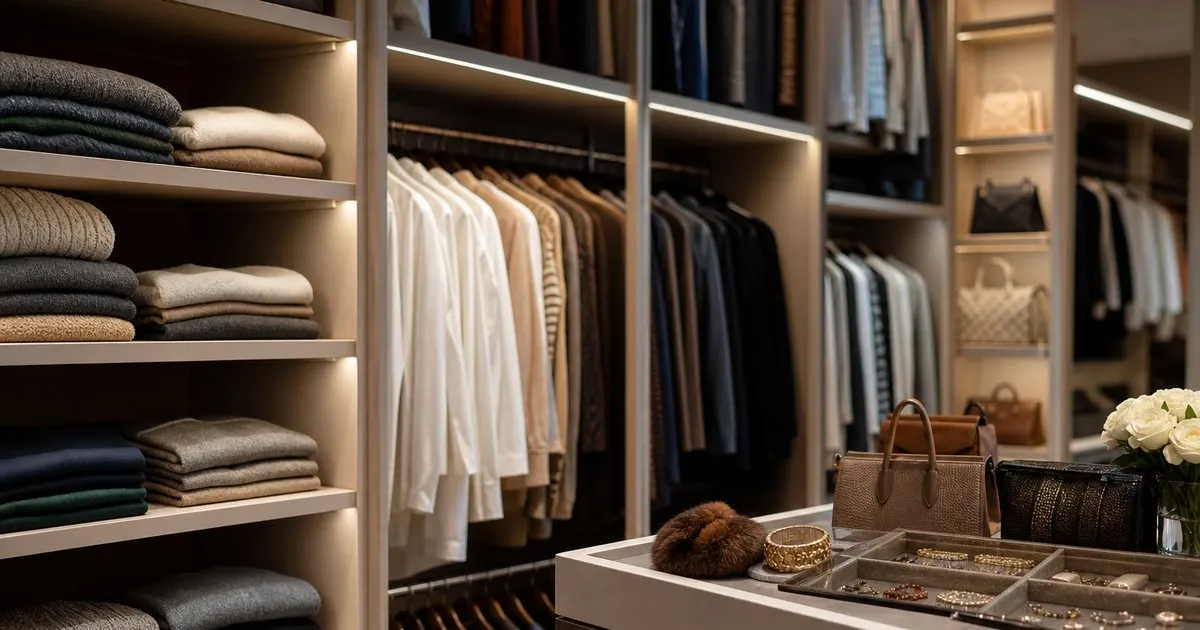
Zone by how you dress
Group storage by garment type and by how often you reach for it. Everyday pieces belong within easy reach, while occasion wear can sit higher or further away.
Map long hanging, short hanging, folded, and accessory zones to your actual wardrobe. Organization that mirrors your habits keeps itself tidy with far less effort. Related: How Do You Measure Your Wardrobe In Linear Feet Before Commissioning A Custom Closet?
Keep reading: How Much Does A Truly Bespoke Walk In Closet Cost To Build?, What Distinguishes A Custom Dressing Room From An Ordinary Built In Wardrobe?, How Do You Plan Lighting And Ventilation For A Luxury Walk In Closet?. See how Wardrobr helps you a designer guide to bespoke walk-in closets and dressing rooms.
Protect the delicate
Fine garments deserve appropriate care: padded or shaped hangers for tailoring, breathable storage for knits, and lined drawers for delicate pieces. Related: Which Location Works Best For A Safe And Jewelry Drawers In A Luxury Dressing Room?
Guard against crushing, light, and damp. Thoughtful protection preserves the pieces you value most and keeps them ready to wear rather than in need of attention.
Display with restraint
Accessories such as watches, jewelry, and fine shoes reward considered display in trays and behind glass. Visibility helps you use and enjoy what you own.
Restraint matters. A curated, uncluttered display reads as luxury, while an overfilled one reads as storage. Leave room to breathe and rotate what is shown. Related: What Distinguishes A Custom Dressing Room From An Ordinary Built In Wardrobe?
Keep it effortless
The best organization is the kind you can maintain without thinking. Adjustable elements and a little empty space let the wardrobe evolve without a redesign.
Review the arrangement seasonally. A dressing room that adapts to how your wardrobe changes stays a pleasure to use rather than a system you fight against. Related: How Much Does A Truly Bespoke Walk In Closet Cost To Build?
- Zone storage by garment type and frequency of use
- Protect delicate pieces with proper hangers and drawers
- Display accessories with curated restraint
- Leave room to adapt as your wardrobe evolves

Julien Jimenez
Julien Jimenez is an independent software builder based in Paris. He designs, ships, and operates focused SaaS products for small businesses and independent professionals. Read the full author page.
Frequently asked questions
How much empty space should I leave?
Enough to add pieces and rotate seasons without crowding. A wardrobe filled to capacity is harder to keep tidy and quicker to feel cluttered.
What is the best way to store knitwear?
Fold and store knits in breathable drawers or on shelves rather than hanging, which can stretch them. Keep them away from damp and direct light.
A Dressing Room Made for You
A designer guide to bespoke walk-in closets and dressing rooms. Wardrobr is built to help you put this into practice.
Design your closetMore from the Wardrobr blog
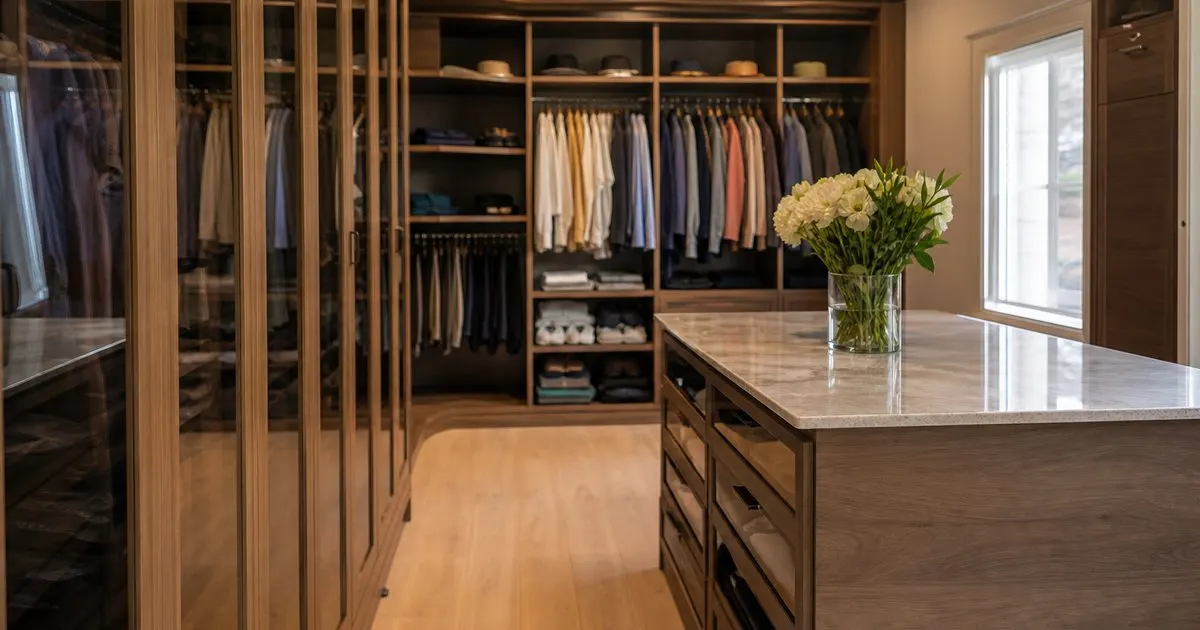
How Much Does A Truly Bespoke Walk In Closet Cost To Build?
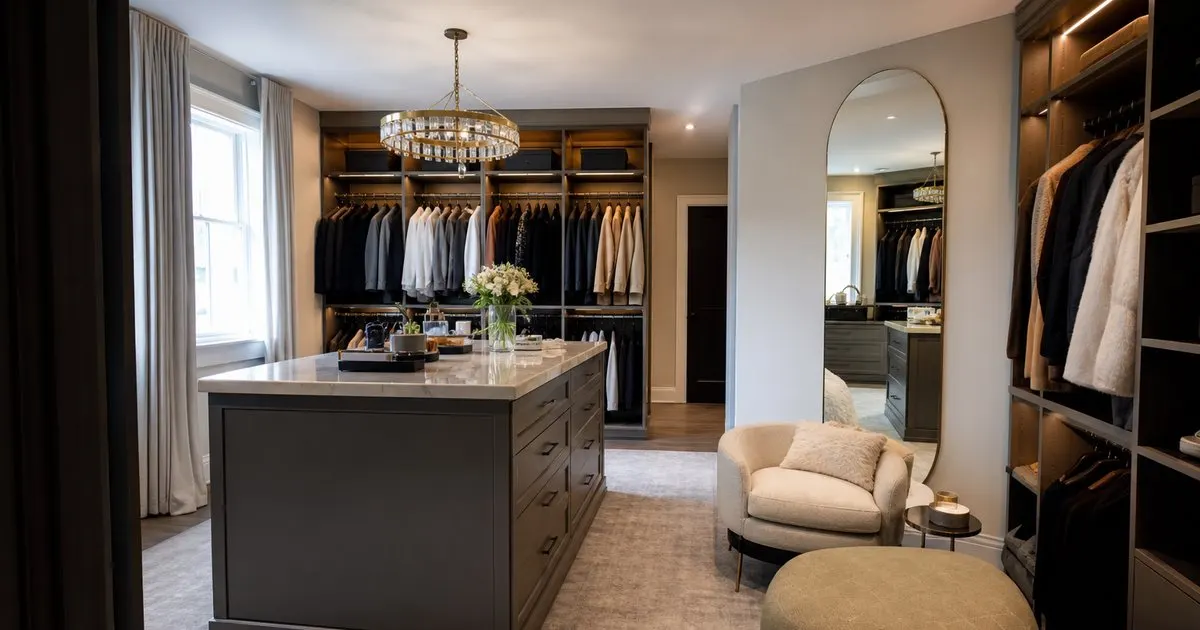
What Distinguishes A Custom Dressing Room From An Ordinary Built In Wardrobe?
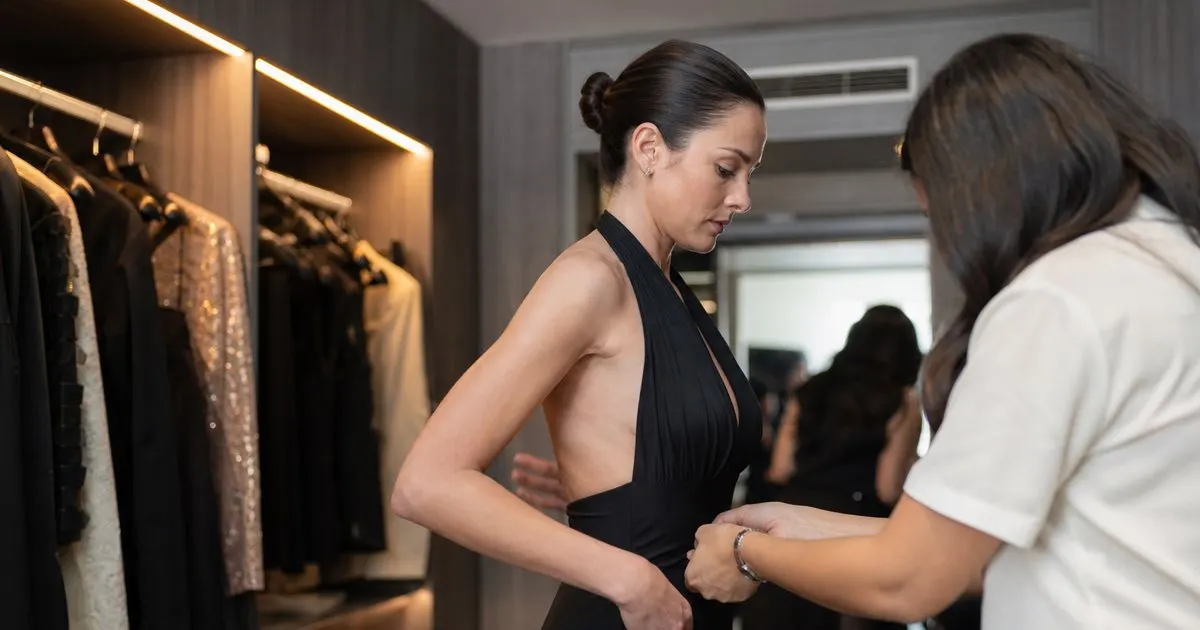
How Do You Plan Lighting And Ventilation For A Luxury Walk In Closet?
Get the complete bespoke walk-in closets and dressing rooms guide
Our full buying guide, the price guide, and new research as we publish it. One email, no spam, unsubscribe any time.