How Do You Plan Lighting And Ventilation For A Luxury Walk In Closet?
Two quiet essentials that make or break a dressing room, and how to get both right from the start.
Plan lighting in layers: ambient light for the room, task light at rails and shelves, and a flattering source near the mirror, all at a color temperature kind to skin and fabric. Plan ventilation for gentle, consistent airflow and appropriate humidity to protect garments. Integrate both discreetly with the joinery from the start, since retrofitting either is disruptive and less elegant.

Why light comes first
Lighting decides how clothes and colors read and how flattering the mirror feels. Even the finest materials disappoint under a single harsh ceiling fixture. Related: Why Does Mirror Placement Make Or Break A Custom Dressing Room's Daily Use?
Plan layered light: ambient for the room, task light at rails and shelves, and a considered source near the mirror. Color temperature should flatter both skin and fabric.
Keep reading: How Much Does A Truly Bespoke Walk In Closet Cost To Build?, What Distinguishes A Custom Dressing Room From An Ordinary Built In Wardrobe?, Which Materials And Hardware Signal Real Quality In A Bespoke Dressing Room?. See how Wardrobr helps you a designer guide to bespoke walk-in closets and dressing rooms.
Getting ventilation right
Airflow protects fine garments from damp, must, and odor. A closet that cannot breathe slowly harms leather, cashmere, and tailoring, however beautiful its joinery. Related: Which Materials And Hardware Signal Real Quality In A Bespoke Dressing Room?
Plan for gentle, consistent ventilation and appropriate humidity. In enclosed or interior rooms this is especially important and easiest to solve during design, not after.
Integrating both invisibly
The goal is light and air you feel rather than see. Concealed fixtures and discreet grilles keep the room calm while doing essential work. Related: Which Storage Details Make A Luxury Closet Feel Effortless To Use Daily?
Coordinate lighting and ventilation with the joinery early. Retrofitting either into finished cabinetry is disruptive and rarely as elegant as planning them together.
Comfort you notice daily
A well lit, well ventilated dressing room simply feels better to use. Garments look their best, the air stays fresh, and the ritual of dressing becomes a pleasure. Related: How Much Does A Truly Bespoke Walk In Closet Cost To Build?
These are not luxuries to trim when budgets tighten. Light and air are foundational, and skimping on them undermines everything the room is meant to be.
- Layer ambient, task, and mirror lighting
- Choose a color temperature that flatters skin and fabric
- Ventilation protects fine garments from damp and odor
- Plan both with the joinery, not after

Julien Jimenez
Julien Jimenez is an independent software builder based in Paris. He designs, ships, and operates focused SaaS products for small businesses and independent professionals. Read the full author page.
Frequently asked questions
What color temperature suits a dressing room?
A warm to neutral white that flatters both skin and fabric is usually best. Avoid cold, clinical light, which distorts colors and feels unwelcoming.
Do interior closets really need ventilation?
Yes, often more than others. Enclosed rooms trap moisture and odor, so gentle, consistent airflow protects fine garments and keeps the space fresh.
A Dressing Room Made for You
A designer guide to bespoke walk-in closets and dressing rooms. Wardrobr is built to help you put this into practice.
Design your closetMore from the Wardrobr blog
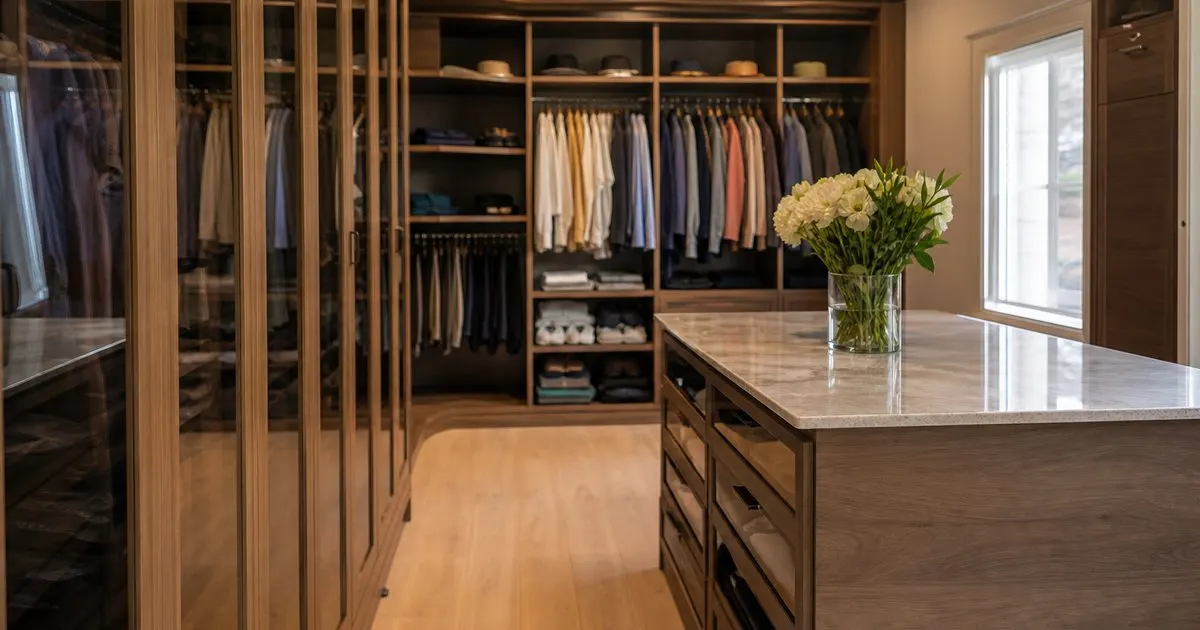
How Much Does A Truly Bespoke Walk In Closet Cost To Build?
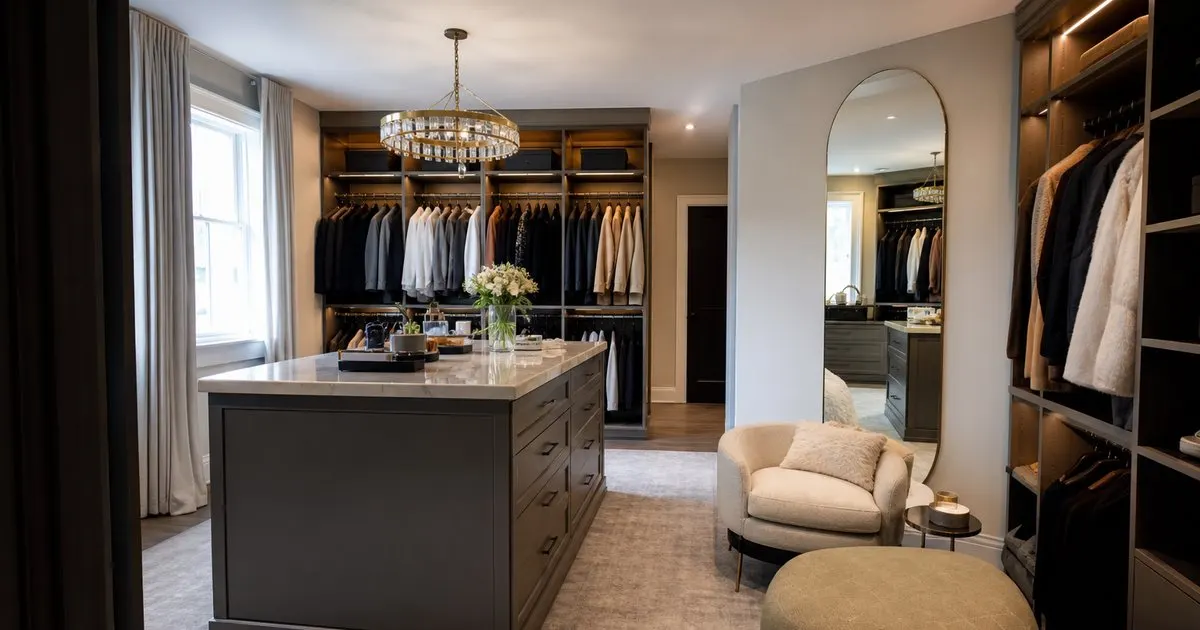
What Distinguishes A Custom Dressing Room From An Ordinary Built In Wardrobe?
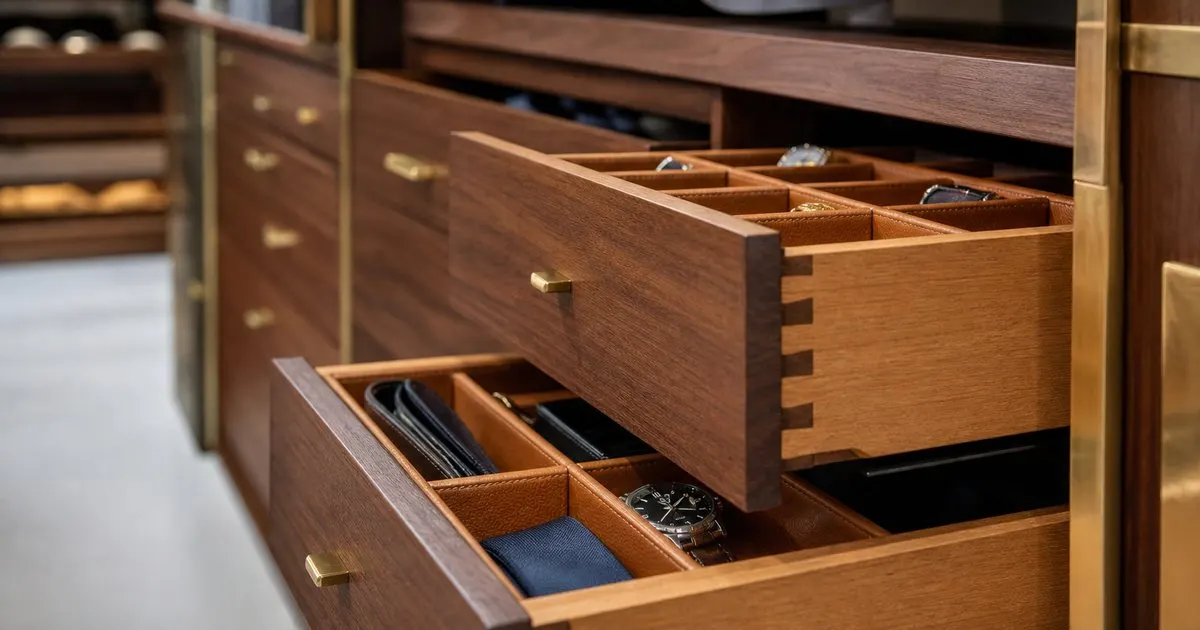
Which Materials And Hardware Signal Real Quality In A Bespoke Dressing Room?
Get the complete bespoke walk-in closets and dressing rooms guide
Our full buying guide, the price guide, and new research as we publish it. One email, no spam, unsubscribe any time.