What Should A Homeowner Do When A Bespoke Closet Installation Goes Wrong?
Even excellent shops have bad install days. Here is how to tell a normal punch-list item from a real defect, document it, and get it corrected without souring the relationship or the result.
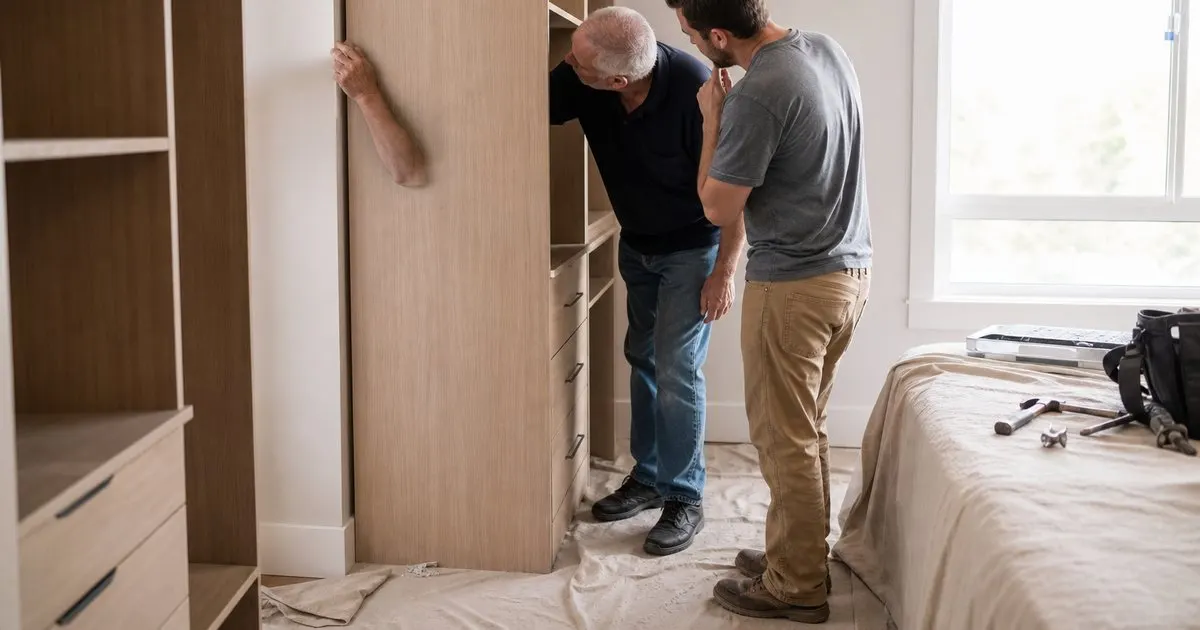
Normal versus defective: learning the difference
The first thing to do is sort. A bespoke installation almost never arrives perfect on the first day; there is a reason the trade uses the term punch list. Small gaps awaiting scribe filler, doors not yet adjusted to even reveals, a drawer that catches until its slide is tuned, protective film still on a stone top, missing end panels arriving with the second delivery: all of these are normal mid-installation states, and an experienced crew expects to spend the final day on exactly this work.
Real defects are different in kind. A panel with a veneer color that does not match its neighbor. A finish with runs, dust nibs, or a sheen that changes from door to door. A cabinet out of plumb enough that doors will never hang evenly. Damage from delivery, a cracked stone top, a drawer box of a different construction from what was specified, hardware substituted without your approval, or dimensions that leave a shelf too shallow for the shoes it was drawn for. These are not adjustment items; they are things to be replaced or remade, and it helps to name them that way from the start. Related: Which Materials And Hardware Signal Real Quality In A Bespoke Dressing Room?
Keep reading: How Much Does A Truly Bespoke Walk In Closet Cost To Build?, What Distinguishes A Custom Dressing Room From An Ordinary Built In Wardrobe?, How Do You Plan Lighting And Ventilation For A Luxury Walk In Closet?. See how Wardrobr helps you a designer guide to bespoke walk-in closets and dressing rooms.
Documenting without escalating
Walk the room with the crew lead at the end of each day and again at completion, with the shop drawings in hand. Photograph every item you question, ideally with a tape measure or a level in the frame, and keep a single written list with a date, a location in the room, a description, and what you expect to happen. Send that list to the designer and the shop the same day. Written, specific, and unemotional is the tone that gets things fixed; a phone call in frustration produces apologies and not much else. Related: How Much Does A Truly Bespoke Walk In Closet Cost To Build?
Distinguish who owns each item. A bespoke project usually involves a designer, a fabricating shop, an installer (sometimes the shop's own crew, sometimes a subcontractor), and possibly a general contractor who built the room. A wall out of plumb is likely the builder's; a mismatched veneer is the shop's; a scratched panel might be the installer's. A good designer will act as the single point of contact and sort this out, and that coordinating role is a large part of what you paid for. If you commissioned the shop directly, that role is yours, and a clear list makes it manageable. Related: What Distinguishes A Custom Dressing Room From An Ordinary Built In Wardrobe?
Holding payment and using the contract
Most bespoke contracts stage payment: a deposit at signing, a payment at approved drawings or at delivery, and a final balance at completion. That final payment is your leverage, and it should be reserved until the punch list is closed to your satisfaction, not released on the day the crew packs up. Read the contract for what it says about substantial completion, retainage, and warranty, and reference those terms in your list. A reasonable shop expects this; the ones who push hard for final payment before corrections are telling you something.
Be fair in return. Do not withhold the whole balance over a single door adjustment; a proportionate holdback matched to the cost of outstanding items keeps the conversation honest. Give the shop a reasonable window to remedy, typically a few weeks for adjustments and longer if a panel must be remade and refinished. Approve corrections in person, under the room's actual lighting, and sign off item by item. A signed, closed punch list is the document that protects both parties if a warranty question arises later. Related: How Do You Plan Lighting And Ventilation For A Luxury Walk In Closet?
When it is genuinely not fixable
Occasionally a project goes wrong at a level no punch list can address: the wrong finish across the whole room, cabinetry that does not fit the space because verification was skipped, or a shop that stops responding. Here the sequence is escalation in writing, a formal notice under the contract's dispute terms, and, if it comes to it, an independent millwork inspector or a second designer to assess and document the work. That written assessment carries weight in mediation and in any claim against the shop or their insurance.
Most disputes, though, resolve well short of that, and the outcome depends heavily on how the first weeks were handled. Homeowners who documented clearly, stayed civil, held payment proportionately, and gave the shop a fair chance to remedy typically end up with the room they were promised and a shop willing to return for future adjustments. The point of buying bespoke is that the work is corrected until it is right; expecting that standard, calmly and in writing, is not being difficult. It is the reason you did not buy a modular system.
- Sort normal punch-list items, like unadjusted doors and pending scribe, from real defects, like mismatched veneer or out-of-plumb cabinets.
- Document every item in writing with photos, dates, locations, and expectations, and send it to the designer and shop the same day.
- Hold the final payment proportionately until the punch list is closed, and sign off corrections in person under the room's real light.
- For unfixable failures, escalate in writing under the contract's terms and bring in an independent inspector to document the work.

Julien Jimenez
Julien Jimenez is an independent software builder based in Paris. He designs, ships, and operates focused SaaS products for small businesses and independent professionals. Read the full author page.
A Dressing Room Made for You
A designer guide to bespoke walk-in closets and dressing rooms. Wardrobr is built to help you put this into practice.
Design your closetMore from the Wardrobr blog
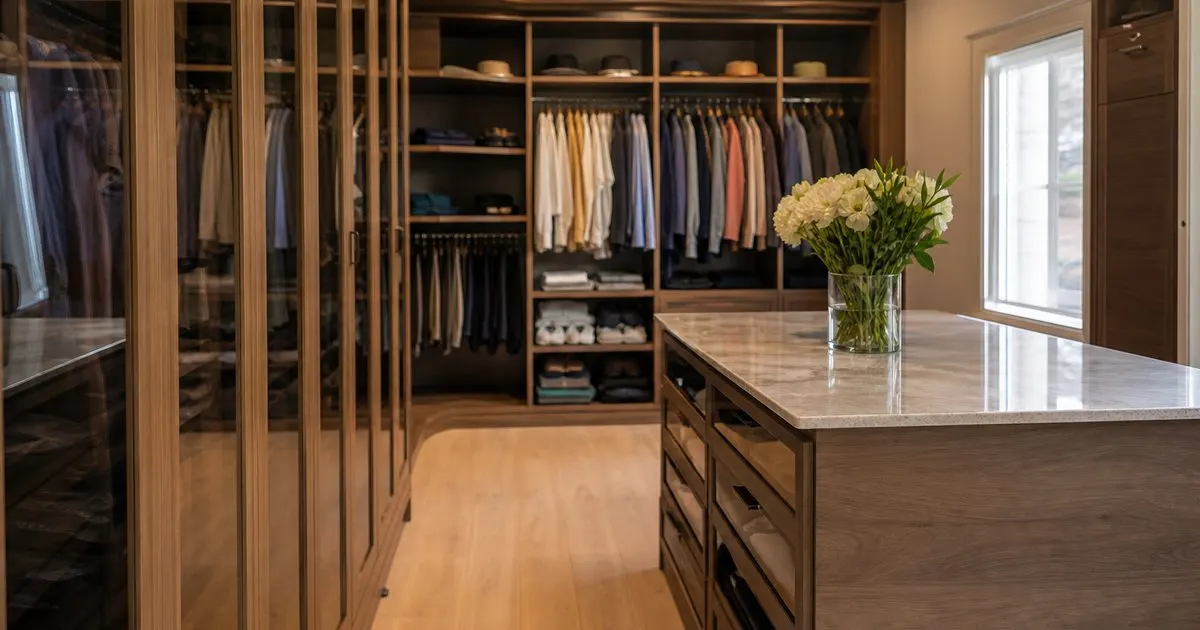
How Much Does A Truly Bespoke Walk In Closet Cost To Build?
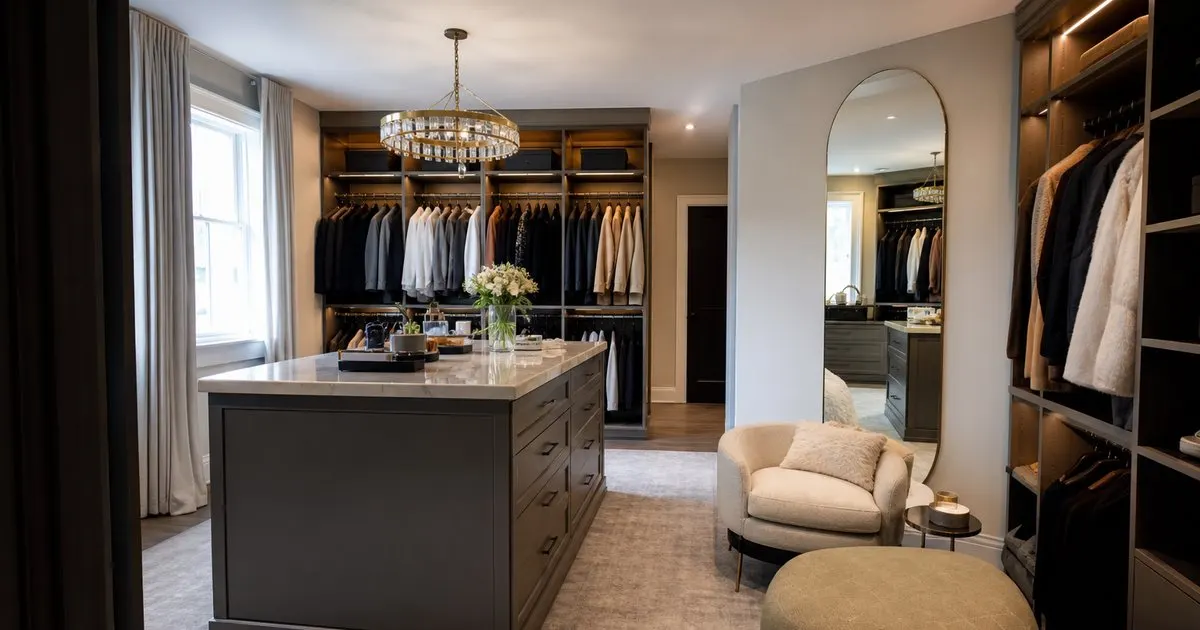
What Distinguishes A Custom Dressing Room From An Ordinary Built In Wardrobe?

How Do You Plan Lighting And Ventilation For A Luxury Walk In Closet?
Get the complete bespoke walk-in closets and dressing rooms guide
Our full buying guide, the price guide, and new research as we publish it. One email, no spam, unsubscribe any time.