How Do You Protect Leather And Cashmere From Humidity Inside A Walk In Closet?
Fine leather goods and knitwear fail quietly in a closet that is too damp or too dry. Here is how to read your room, control its climate, and store the pieces that are most at risk.
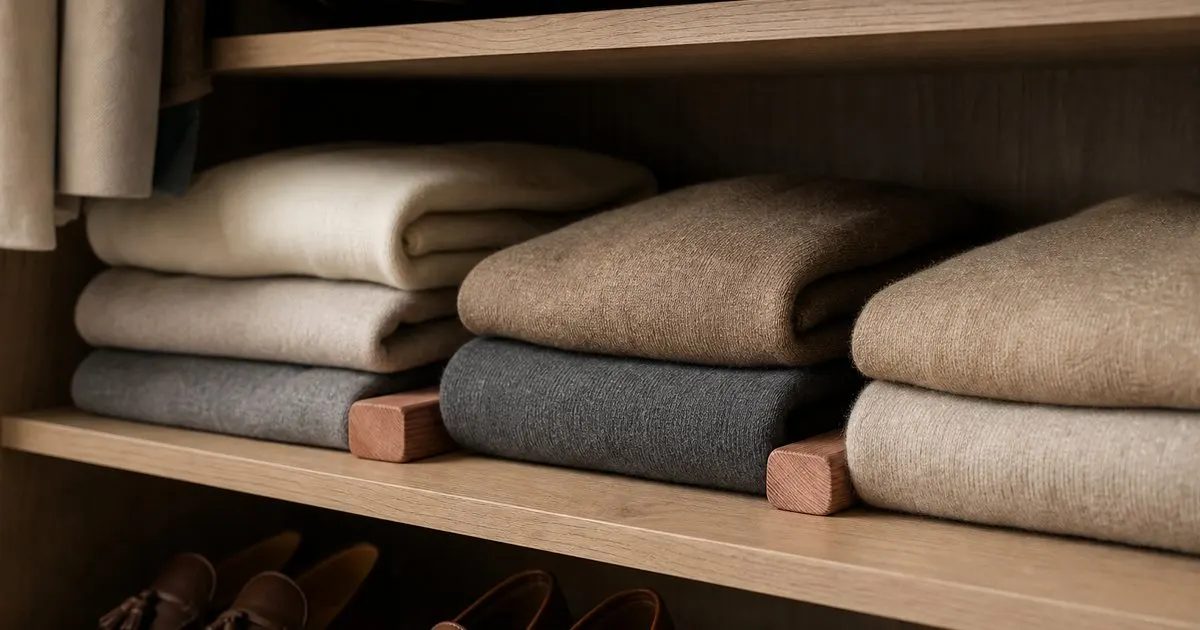
What humidity does to leather and natural fibers
Leather and cashmere want the same thing, a stable middle. Too much moisture in the air invites mildew on leather, dulls its finish, and gives wool and cashmere the faint musty note that never fully leaves. Too little dries leather until it cracks at the folds and makes knitwear brittle and prone to static. Most conservators and closet specialists point to a relative humidity range somewhere around 40 to 55 percent as the comfortable zone, with the emphasis on stability rather than any single number. Swings are more damaging than a steady reading slightly outside the range.
Closets are unusually prone to swings because they are often built against exterior walls, above garages, or next to bathrooms. A dressing room with a door that stays closed traps whatever moisture drifts in from a steamy shower, and an interior closet with no air return can sit stale for days. Before buying any product, put an inexpensive hygrometer on a shelf for two weeks and note the readings morning and evening. What you learn will tell you whether you need ventilation, dehumidification, humidification, or simply better door discipline. If you buy a hygrometer or a dehumidifier through a link on this site we may earn a small commission, which does not change the advice to measure before you spend. Related: How Much Does A Truly Bespoke Walk In Closet Cost To Build?
Keep reading: How Much Does A Truly Bespoke Walk In Closet Cost To Build?, What Distinguishes A Custom Dressing Room From An Ordinary Built In Wardrobe?, How Do You Plan Lighting And Ventilation For A Luxury Walk In Closet?. See how Wardrobr helps you a designer guide to bespoke walk-in closets and dressing rooms.
Designing the room to hold a stable climate
The most elegant solution is built in. If your closet is part of a larger renovation, ask for a supply and a return from the home's HVAC system rather than a supply alone, so air actually moves through the room rather than pooling. A closet that borrows air from the bedroom through a louvered door or a transom grille is the low-cost version of the same idea. Insulating any exterior wall behind the millwork, and leaving a small air gap between cabinet backs and that wall, keeps condensation from forming where you will never see it. Related: What Distinguishes A Custom Dressing Room From An Ordinary Built In Wardrobe?
For rooms that need active control, a small ducted dehumidifier tied into the HVAC is far more discreet than a portable unit humming on the floor, and a whole-house humidifier handles the dry winter months in northern climates. Neither is cheap, but both are modest against the value of a wardrobe of leather bags and tailored knitwear. If an active system is out of scope, at minimum keep the closet door open during the day, run the bathroom exhaust fan through the entire shower and for twenty minutes after, and avoid placing the closet in the path of steam. Related: Is A Custom Dressing Room A Worthwhile Investment For Your Home Value?
Storing leather so it breathes
Leather bags, shoes, and jackets should be stored where air can reach them, never sealed in plastic. Dust bags in cotton or flannel are the right cover, and structured bags keep their shape with acid-free tissue or a purpose-made pillow inside. Give shoes a day of rest between wears on cedar or unfinished wood trees, which draw out moisture and hold the shape. Open shelving or glass-fronted cabinets suit leather far better than closed drawers, which is why bespoke closets so often put the handbag wall at eye level behind glass.
Watch the finish of the shelf itself. Some lacquers and certain stains can transfer to leather that sits against them for months in warm conditions, so a lining of undyed felt or a leather-safe shelf liner is a small precaution worth taking. Rotate pieces you do not use, wipe leather with a barely damp cloth a few times a year, and condition it sparingly. Cedar is good against moths and mild in its effect on humidity, but do not let a bag rest directly on a cedar block, since the wood's oils can mark the surface.
Storing cashmere and fine wool without damage
Knitwear is folded, never hung, because gravity stretches the shoulders and the hem within a season. In a bespoke closet that means shallow, wide drawers or open shelves no deeper than the folded sweater, so nothing is buried and crushed at the bottom of a stack. Drawer dividers or fabric-lined bins keep colors from rubbing. Leave a little space between folded pieces so air circulates, and resist the temptation to compress a full season into one drawer. Related: Which Materials And Hardware Signal Real Quality In A Bespoke Dressing Room?
Clean everything before it goes into storage, because moths are drawn to skin oils and food residue rather than to the fiber itself. For the off season, breathable cotton storage bags with a cedar or lavender sachet are preferable to vacuum bags, which crush the loft of good cashmere. Check stored knitwear every couple of months, refold along different lines to avoid permanent creases, and let pieces air on a flat surface for a day before wearing them again. A stable, ventilated room does most of the work; these habits do the rest.
- Aim for a stable relative humidity in the middle range, roughly 40 to 55 percent, and treat swings as the real enemy.
- Measure your closet with a hygrometer for two weeks before choosing between ventilation, dehumidification, or better door habits.
- Store leather where it can breathe, in cotton dust bags on lined shelves, and never sealed in plastic.
- Fold cashmere in shallow drawers with room to breathe, clean it before storage, and skip vacuum bags.

Julien Jimenez
Julien Jimenez is an independent software builder based in Paris. He designs, ships, and operates focused SaaS products for small businesses and independent professionals. Read the full author page.
A Dressing Room Made for You
A designer guide to bespoke walk-in closets and dressing rooms. Wardrobr is built to help you put this into practice.
Design your closetMore from the Wardrobr blog
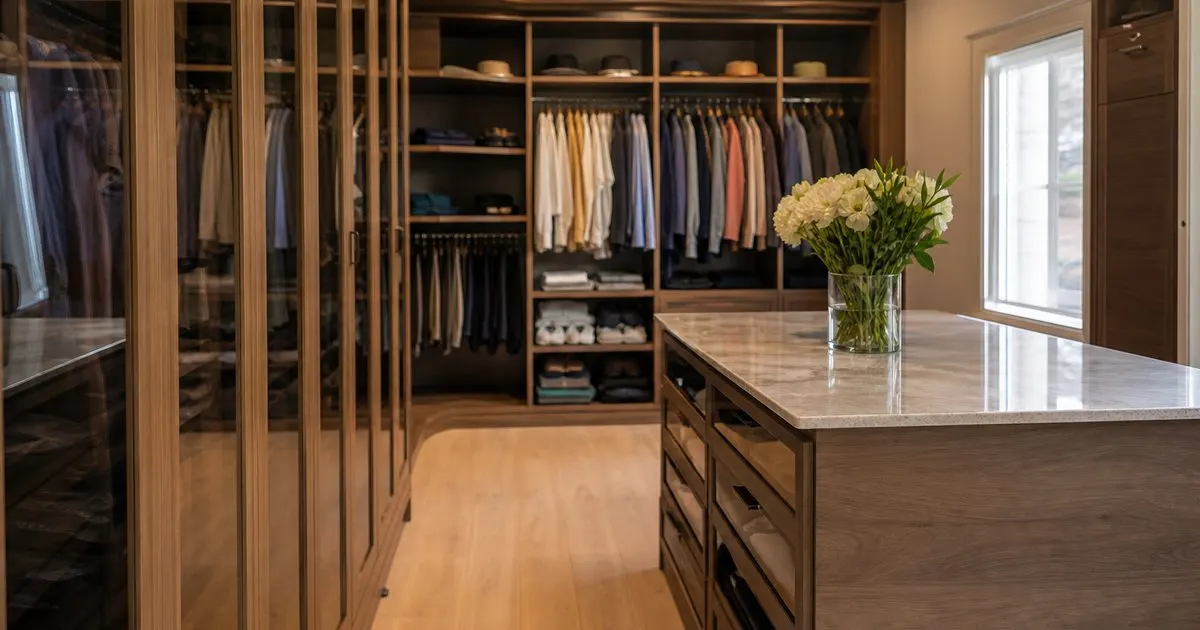
How Much Does A Truly Bespoke Walk In Closet Cost To Build?
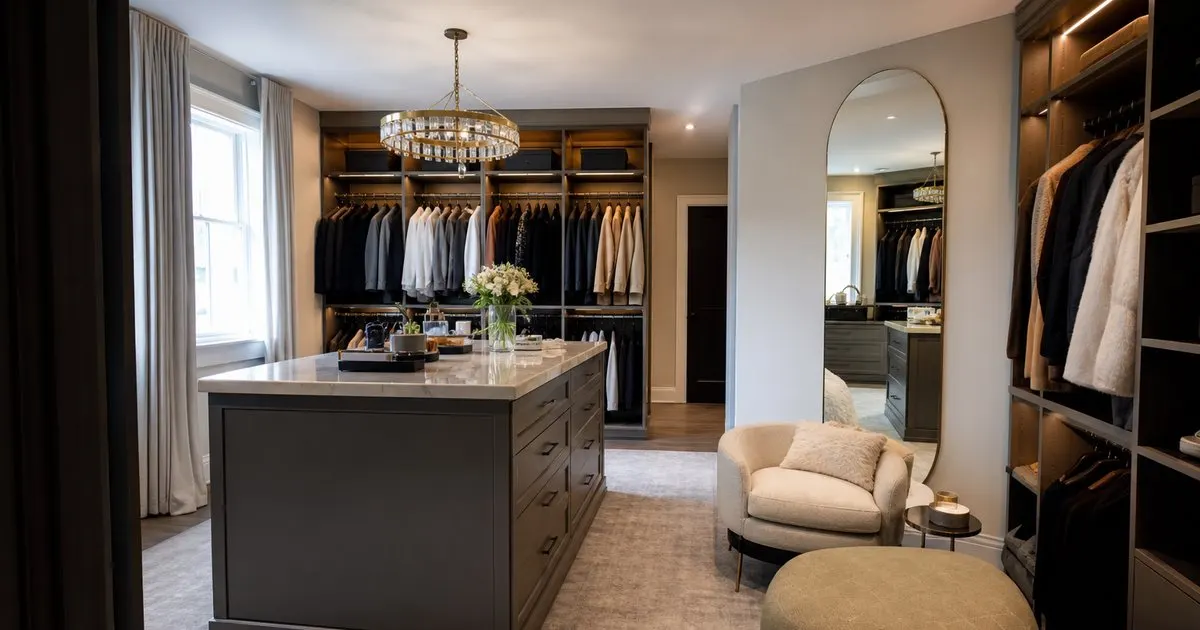
What Distinguishes A Custom Dressing Room From An Ordinary Built In Wardrobe?
How Do You Plan Lighting And Ventilation For A Luxury Walk In Closet?
Get the complete bespoke walk-in closets and dressing rooms guide
Our full buying guide, the price guide, and new research as we publish it. One email, no spam, unsubscribe any time.